31.12.2024
 2850
2850
2850
Why LoRaWAN Is Better Than Other Technologies for Smart Agriculture Solutions
2850
The development of the Internet of Things (IoT) has led to a wave of innovative technologies in agriculture, collectively known as “smart farming.” Among these technologies, LoRaWAN (Long Range Wide Area Network) stands out as the most efficient. In this article, we will look at the use of LoRaWAN for sustainable farming, and examine why it is ideally suited for smart agriculture solutions, analyzing its technical advantages, economic feasibility, and adaptability to various farming conditions.
One of the key advantages of LoRaWAN in agriculture is its ability to provide wide coverage in rural areas, where most agricultural lands are located. LoRaWAN gateways can transmit signals over distances of up to 10–15 kilometers in open terrain. This is especially important for large farms, where fields may span thousands of hectares.
Competing wireless communication technologies like Wi-Fi or Zigbee lack the range needed to effectively cover such vast areas, making LoRaWAN the more practical choice.
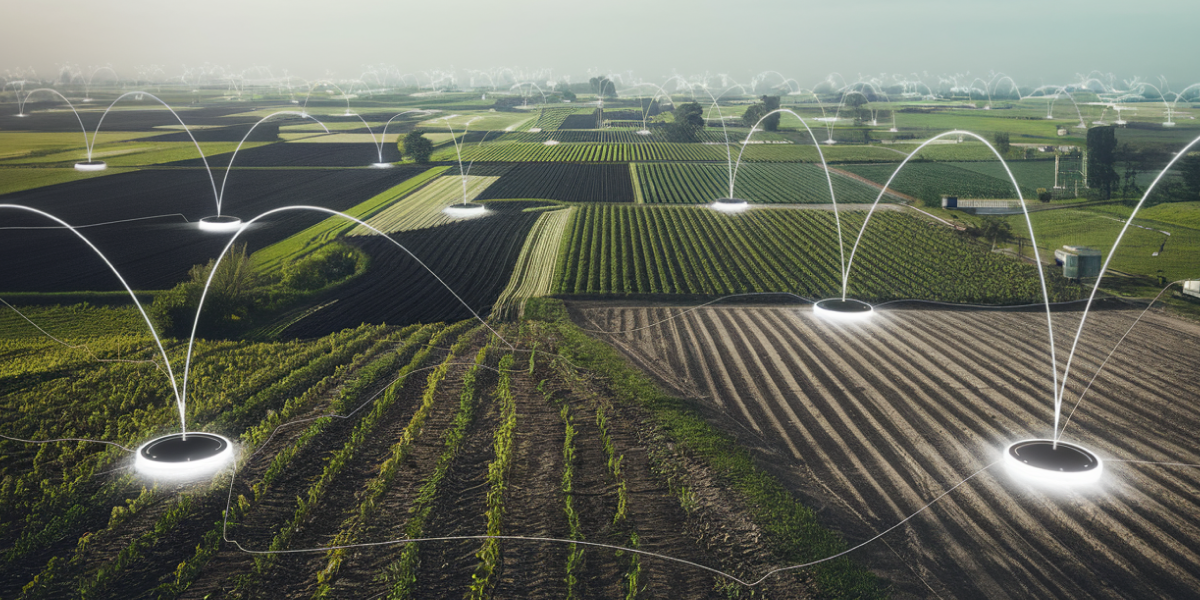
LoRaWAN is designed with an emphasis on energy efficiency, making it perfect for battery-powered sensors in agricultural settings. IoT devices that operate on LoRaWAN can run for approximately 10 years on a single battery. This cost-effectiveness significantly reduces maintenance expenses, which is critical in remote rural areas where sensors are often placed in hard-to-reach locations.
In contrast, cellular networks typically consume more energy, leading to more frequent battery replacements and higher operating costs. LoRaWAN’s efficiency ensures consistent data collection and transmission without frequent interruptions.
Smart agricultural solutions need to be economically viable for farms of all sizes. LoRaWAN is ideal in this regard due to its low deployment and maintenance costs. The required infrastructure—gateways and IoT sensors—is relatively affordable, and LoRaWAN networks operate in unlicensed radio frequency bands, eliminating the need for costly spectrum licenses.
While cellular technologies can offer high data rates, they come with significant subscription fees and equipment costs. For small and medium-sized farms, these expenses can be prohibitive, making LoRaWAN a more accessible alternative.
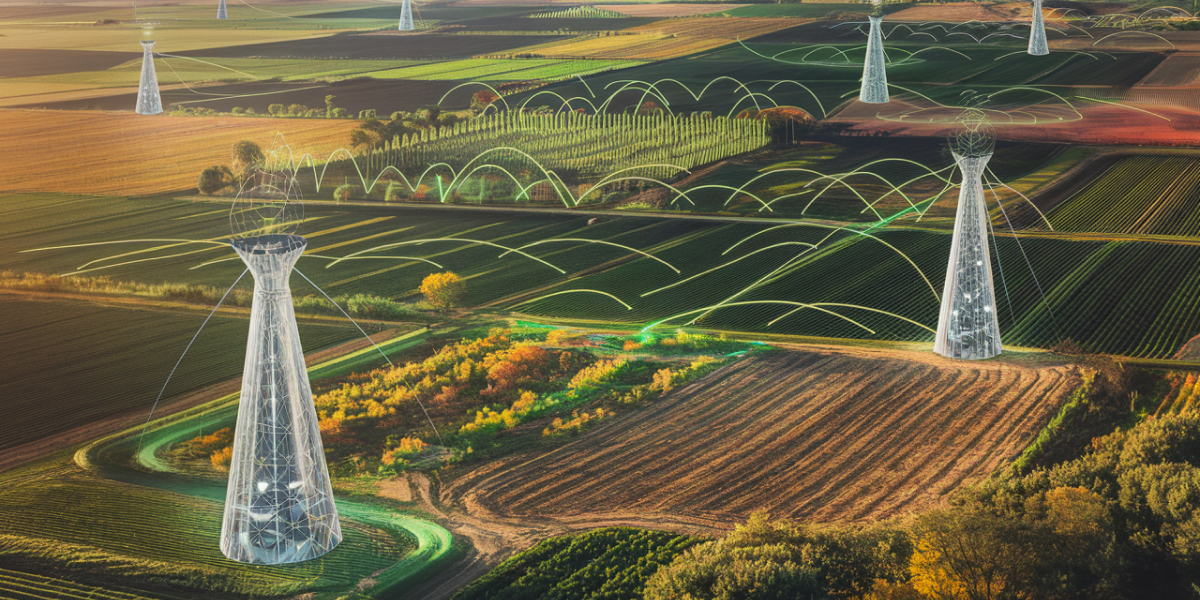
LoRaWAN networks are easily scalable, allowing farmers to expand their IoT ecosystem as their operations grow or their needs change. Adding new devices to a LoRaWAN network typically requires minimal configuration. This flexibility is crucial in agriculture, where monitoring and management requirements can evolve over time.
Additionally, LoRaWAN supports a wide range of applications—soil moisture monitoring, weather station data collection, livestock tracking, and irrigation control. This versatility enables multiple tasks to be handled within a single network, reducing complexity and costs.
Rural areas often pose challenges such as extreme weather, natural barriers, and varied terrain that can disrupt data transmission. Thanks to its robust signal and sub-gigahertz frequency use, LoRaWAN can reliably transmit data through dense vegetation, hills, or buildings.
Unlike Wi-Fi, which is susceptible to interference and signal attenuation, or cellular networks, which may not always provide consistent coverage in remote areas, LoRaWAN guarantees stable connectivity even in the toughest agricultural environments.
LoRaWAN is built on open standards, ensuring compatibility among devices from different manufacturers. This fosters a competitive ecosystem, enabling farmers to choose from a wide array of sensors, gateways, and platforms. By not being tied to a single vendor, agricultural businesses can adopt the best solutions for their specific needs.
Closed, proprietary systems, on the other hand, limit flexibility and often require expensive updates to maintain compatibility. With its open architecture, LoRaWAN can be easily adapted to new technologies without vendor lock-in.
Access to real-time data is critical in modern agriculture. Through the use of remote monitoring, LoRaWAN enables the seamless transfer of such information from numerous sensors spread across a farm. For example, soil moisture sensors can provide continuous data for irrigation scheduling, while weather stations supply insights for planning planting and harvesting.
Through integration with analytics platforms, farmers can spot trends, predict yields, and quickly identify anomalies. These capabilities help improve resource efficiency, boost productivity, and enhance the stability of agricultural operations.
An increasing focus on sustainability has made environmentally friendly practices a major priority in agriculture, driving efforts to reduce waste, optimize water usage, and minimize chemical inputs. This explains the increasing use of LoRaWAN for smart irrigation systems. LoRaWAN also supports precise resource management by delivering detailed soil analysis, as well as data on plant health and the surrounding environment, allowing farmers to implement targeted measures and avoid overuse of both water and fertilizers.
Moreover, the low power consumption of LoRaWAN devices helps reduce greenhouse gas emissions and lower the overall carbon footprint, aligning with sustainable and eco-friendly approaches.
The agricultural sector is rapidly integrating advanced IoT technologies, including machine learning and artificial intelligence. There are significant benefits of LoRaWAN over other IoT networks, as its compatibility with cloud platforms and edge computing ensures these cutting-edge systems are well supported. In addition, Its ability to manage large numbers of connected devices makes it well-suited for the continued growth of smart farming.
With rising global food demand and intensifying climate challenges, data-driven technologies are becoming indispensable for crop management and weather tracking. LoRaWAN’s scalability and extensive integration possibilities position it as the top choice for current and future agricultural innovations.
As these LoRaWAN use cases in agriculture make clear, by adopting the technology businesses can optimize resource usage, increase yields, and transition to more ecologically sustainable farming methods.
Was it helpful?
 273
273


Stay on top of the latest industry news
Thank you, we have received your message. Our manager will contact you shortly.


Thank you, we have accepted your request. In the near future the responsible manager will contact you and clarify the details of the order.