13.10.2025
 1106
1106
Smart Heating Units: How LoRaWAN/NB-IoT Sensors and Meters Eliminate Overheating and Complaints
1106
In many residential and office buildings, heating units operate using outdated systems where heat supply adjustment and data collection are done manually. This often leads to overheating, uneven heat distribution, and numerous tenant complaints. Utility providers also face significant challenges in data collection and efficiency control.
Modern IoT-based smart heating solutions are the answer to these issues. Sensors, meters, and controllers operating via LoRaWAN or NB-IoT wireless protocols allow remote data collection, real-time heat supply adjustments, and transparent metering.
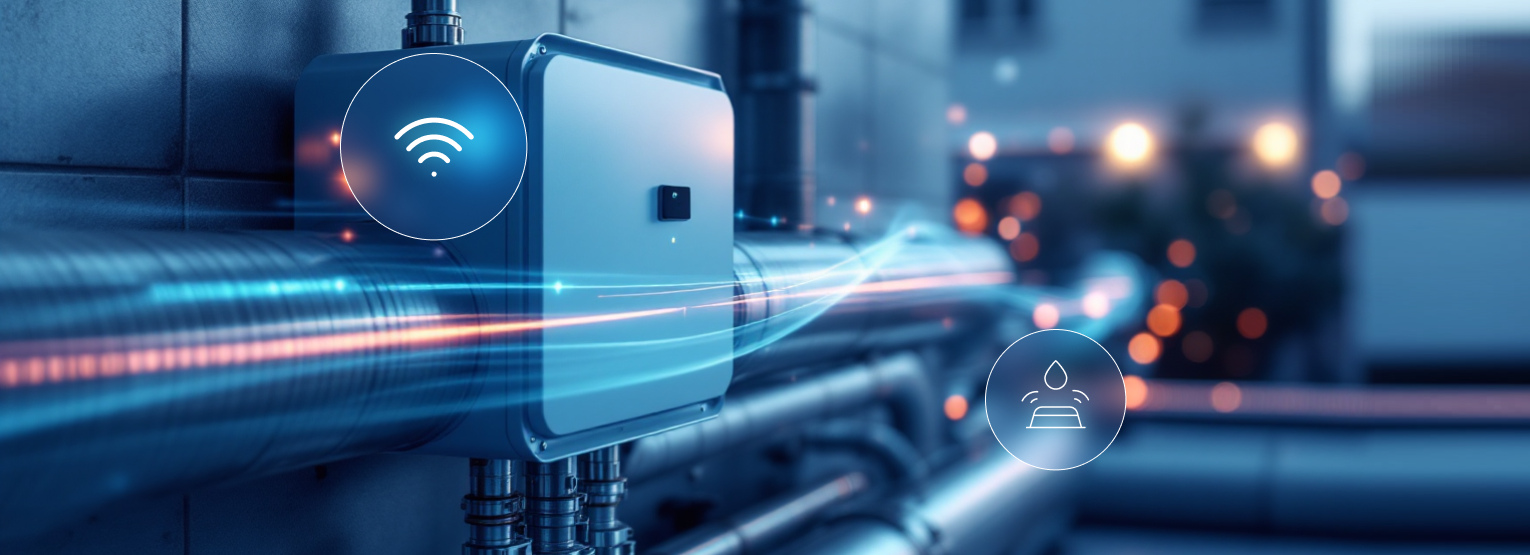
A heating unit equipped with intelligent technology includes automated valves regulating the flow of the heating medium, temperature and pressure sensors, and flow meters. All these devices are combined into a single network, transmitting data to a control center or a cloud platform.
LoRaWAN and NB-IoT serve as communication channels. These are energy-efficient protocols with long-range capabilities, which is especially important for basements and technical rooms. Used as part of smart city heating solutions, they allow data to be transmitted directly or via gateways, with updates occurring at intervals from several minutes to an hour.
The main advantage of building automation heating systems is transparency and speed of data acquisition as staff no longer need to manually visit buildings to take readings and reconcile them. Meters and LoRaWAN heating sensors transmit information automatically, while the software visualizes it in a convenient interface.
Heating consumption monitoring makes it possible to immediately detect overheating or underheating, analyze trends, and optimize heat energy consumption. With smart building heating control, losses are reduced, and residents enjoy even, comfortable temperatures without overpaying.
LoRaWAN features low power consumption and supports long distances to base stations, making it convenient for networks with many sensors. The use of NB-IoT for utilities integrates with existing mobile operators’ infrastructure, eliminating the need to deploy proprietary base stations.
Both LoRaWAN energy monitoring and IoT-enabled heating meters are well-suited for mass implementation. They enable the integration of dozens or hundreds of devices in one building or district, support data encryption, and offer scalability. For utility providers, this heating optimization technology means minimal costs for network maintenance.
For heat suppliers, “smart” units mean fewer emergency situations and more predictable loads. Meanwhile, developers gain an additional argument for the energy efficiency of their projects by using predictive maintenance heating, while homeowners associations and municipalities can introduce fair and transparent metering.
Smart heating systems for HOAs also means tenant complaints reduction, automating data collection, and enabling remote diagnostics and adjustments — all these transform the heating system from a “black box” into a controllable, understandable, and efficient process.
Every year, IoT heating management equipment becomes more affordable and easier to integrate. Ready-made sets of wireless heating sensors, meters, and radio modules already exist that can be implemented for remote meter reading in legacy heating units without major renovations.
Switching to “smart” heating units not only means the modernization of existing infrastructure, but it’s also a strategic investment. Having connected heating meters and smart utility management helps companies and organizations manage resources, obtain real-time heating data, reduce costs, and increase customer trust.
Was it helpful?
 318


Stay on top of the latest industry news
Thank you, we have received your message. Our manager will contact you shortly.


Thank you, we have accepted your request. In the near future the responsible manager will contact you and clarify the details of the order.