08.05.2025 1341

Smart City Ecosystem: how transportation, lighting, and resources are interconnected

The idea of a smart city is no longer limited to standalone technological solutions. Modern municipalities integrate transportation, lighting, and urban resource management into a unified smart city ecosystem.Thanks to IoT in smart cities, this holistic approach creates an efficient, resident‑friendly environment and forms the backbone of future‑ready smart city infrastructure.

Transportation as a Core Element

Within the city’s network, intelligent transportation systems work hand in hand with other digital services to reduce road congestion and lower environmental impact. Key components include:

  • Public transport automation, which streamlines schedules, improves punctuality, and provides real‑time arrival information.
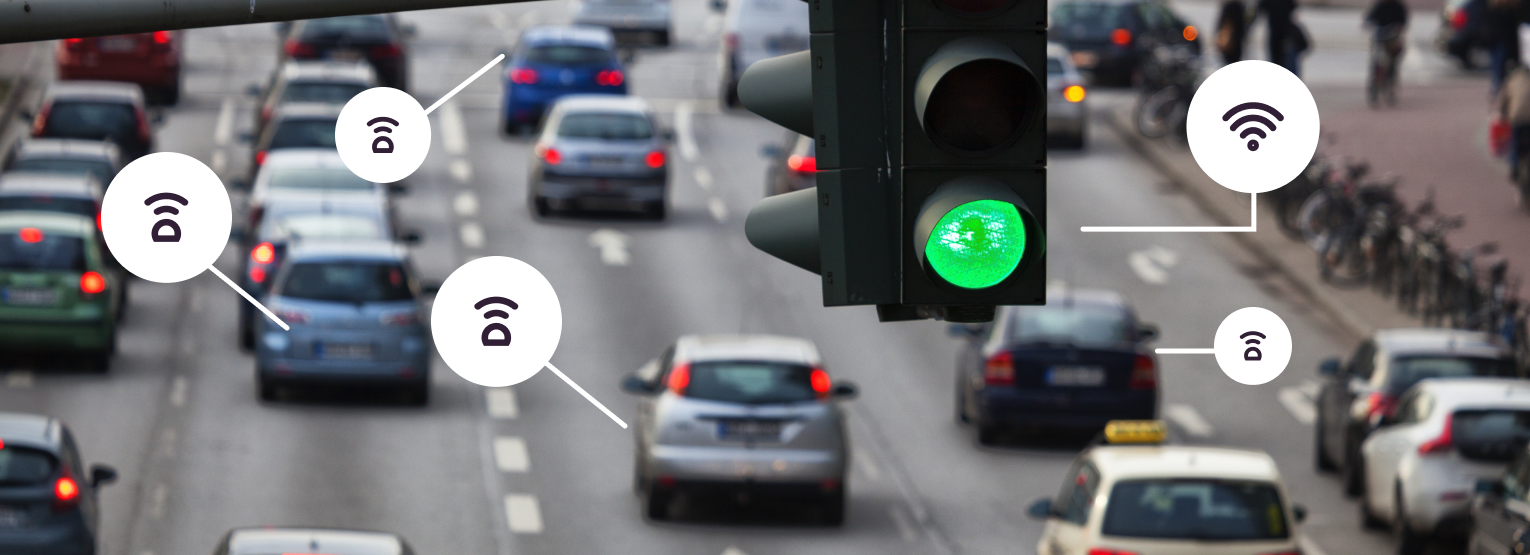
  • Smart traffic lights that rely on sensors to ensure traffic flow optimization, cutting idle times and emissions.
  • Parking sensors that guide drivers to free spaces, supporting smoother urban mobility and saving fuel.

Data from these systems feeds other platforms, ensuring citywide coordination and efficiency.

Smart Lighting in an Integrated Infrastructure

Street lighting is essential not only for energy savings but also for safety:

  • Smart lighting systems equipped with motion detectors activate illumination only when needed, embodying true adaptive lighting.
  • Lighting controls link to traffic data, adjusting brightness to current road conditions and footfall, enhancing public safety.
  • Integrated cameras offer additional oversight of public areas, while automated alerts reduce maintenance response times and costs.

Resource Management and IoT‑Driven Analytics

Resource management forms part of the collective digital fabric:

  • Smart meters track water, gas, heat, and electricity consumption in real time, enabling proactive energy monitoring and early leak detection.
  • Insights from lighting and transport sensors support accurate demand forecasting and balanced resource distribution.
  • Transparent billing strengthens trust between residents and city services.

Interdependence of Connected Urban Services

Crucially, these components do not operate in isolation:

  • Traffic data informs lighting controllers, fine‑tuning brightness to active zones and reducing waste.
  • Information from lights and transport sensors feeds resource systems, allowing more precise load forecasts.
  • A centralized platform unites all connected urban services via robust IoT integration, turning raw information into actionable insights for truly data‑driven cities and paving the way for long‑term sustainable infrastructure. 

By merging transportation, lighting, and resource management into a single, responsive framework, smart cities boost quality of life, cut operational costs, and enhance environmental stewardship. This synergy ensures safer streets, efficient energy use, and a resilient urban future for everyone.

Was it helpful?

260

Other articles

05.11.2026 / Aleksey Kuznetsov LoRaWAN for Predicting Gas and Water Meter Failures

Problems with utility metering often become apparent through their consequences: readings stop changing, bills raise questions, and the gap between...

Read more
12.10.2026 / Aleksey Kuznetsov From Manual to Digital Metering: The Stages of Utility Transformation 

At the end of each month, a utility provider or building manager collects meter readings. Some readings arrive on time, others require follow-up...

Read more
09.10.2026 / Aleksey Kuznetsov LoRaWAN Sensors: Types, Applications, and Selection Guidelines

Collecting meter readings becomes far more challenging as the number of sites grows.  Utility providers need data from thousands of...

Read more
29.09.2026 / Darya Pozharska What to Do with “Problem” Metering Points: Basements, Shafts, Metal Cabinets, and Weak Signal

In smart metering projects, the most difficult points are often identified not at the design stage, but subsequently on site.  On a plan,...

Read more
25.09.2026 / Aleksey Kuznetsov How to Choose a Gateway for an IoT Network: Key Parameters and Common Mistakes

Remote metering seems like a simple chain: a meter transmits readings, software receives them, and the utility provider sees consumption data. But...

Read more
18.09.2026 / Aleksey Kuznetsov IoT Infrastructure for Apartment Buildings and Homeowners Associations: From Meters to Data Management 

In an apartment building, utility metering depends on more than just properly functioning meters.  Residents submit readings on different...

Read more
15.09.2026 / Aleksey Kuznetsov What Is IoT in a Smart City: An Explanation for Municipalities and Developers

A smart city is often imagined as an urban environment with automated lighting, intelligent parking systems, digital displays, and apps for...

Read more
07.09.2026 / Darya Pozharska Benefits of Smart Gas Metering for Resource Providers

Gas metering has long remained one of the most labor-intensive areas for resource providers. Until recently, data was collected manually by an...

Read more

Subscribe to our blog

Stay on top of the latest industry news

    By clicking Submit, you acknowledge that you have read and agree to our privacy policy.

    Your message has been sent successfully.

    Thank you, we have received your message. Our manager will contact you shortly.

    Jooby.Store: Shop Smart Metering Solutions

    Discover our remote metering devices, now available for retail purchase with delivery across Europe. Jooby.Store offers an extensive selection of intelligent radio modules and sensors for measuring gas, water, heat, and electricity consumption.
    Jooby.Store: Shop Smart Metering Solutions

    Making a request

    By clicking Submit, you acknowledge that you have read and agree to our privacy policy.

    Your request has been sent

    Thank you, we have accepted your request. In the near future the responsible manager will contact you and clarify the details of the order.