Jooby SEPTIC RMS LoRaWAN WMTFL10 100 EU
Radio sensor module for vacuum valve monitoring
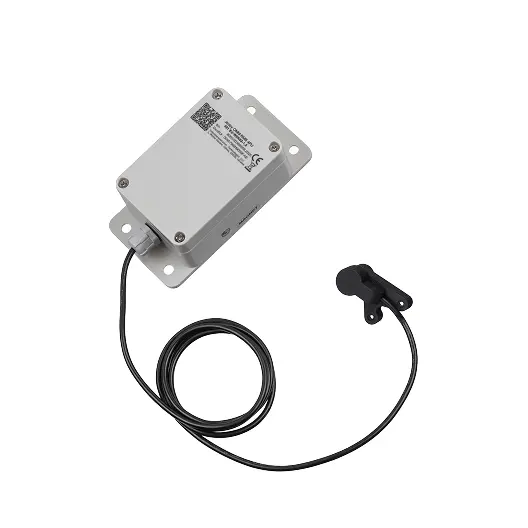
The radio sensor module is designed to automatically monitor the status of vacuum valves and transmit data over a wireless LoRaWAN network. The device works with an external sensor, detects changes in valve status, and stores the corresponding messages.
The module is equipped with a lithium battery and supports battery status monitoring. The IP68-rated enclosure provides protection against dust and water. The device is designed to operate at temperatures from −25 to +85 °C.
The collected information is transmitted to a server to monitor equipment operation. The radio module also provides ambient temperature data at the installation site, helping users respond promptly to changes in operating conditions and plan maintenance. The event log holds 256 entries (up to a maximum of 511 entries).
The data transmission interval can be configured remotely. By default, the device transmits information once every four hours.
The device comes with a warranty:
– 24 months for retail purchases;
– up to 60 months (5 years) for projects.
*Cable length depends on the sensor model (see Cable length table).

**LoRaWAN® is a trademark used under license from the LoRa Alliance®.
Product information
*Service life depends on data transfer frequency
**Scheduled transmission is not performed for non-pulse channels
How It Works
The Jooby radio sensor module is secured with a cable tie or mounted on a wall using self-tapping screws. The external sensor is installed near the vacuum valve of the sewer system.
To activate the radio module, hold a magnet near the area marked “MAGNET” on the enclosure for a few seconds. The entire installation and activation process takes just a few minutes.
Once activated, the device begins monitoring the vacuum valve status, recording changes, and storing the collected data. Information on valve status, status changes, and ambient temperature is periodically transmitted to a server via the LoRaWAN network.
For reliability, the data is stored in the device’s internal non-volatile memory.